Thomas Jefferson in his correspondence with John Tyler on May 26, 1810 stated: “ I have indeed two great measures at heart, without which no republic can maintain itself in strength. 1. That of a general education to enable every man to judge for himself what will secure or endanger his freedom. 2. To divide every county into hundreds, of such size that all children of each will be within reach of a central school in it.”
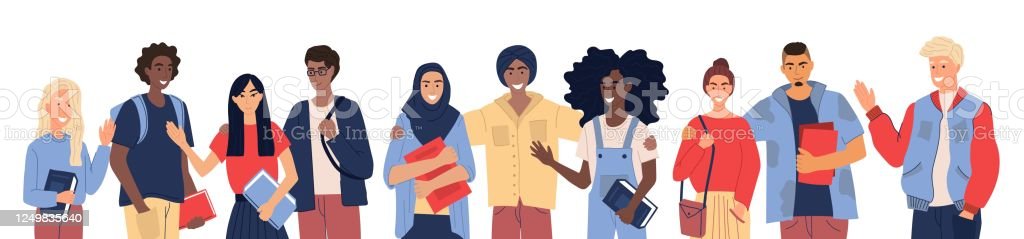
While Jefferson’s vision was not the reality when he wrote it, this vision continues to be a goal for our schools. Over the decades our schools have moved closer and closer to this vision. However, there is still work to be done. As a country, we have expanded the groups of students that we include in public schools to now include all genders, races and ethnicities as well as students with disabilities, students living in poverty, and those not yet speaking English. We have labored and continue to labor to build schools that are inclusive of all children.
The educators working in these schools have been working relentlessly to create systems that ensure that all students master rigorous state standards so that all children are able to take in information and interpret and evaluate the information for themselves. While standards for student learning vary from state to state, all of them have standards that expect students to be able to think and reason for themselves such as:
- Integrate and evaluate content presented in diverse media and formats, including visually and quantitatively, as well as in words.
- Delineate and evaluate the argument and specific claims in a text, including the validity of the reasoning as well as the relevance and sufficiency of the evidence.
- Analyze how two or more texts address similar themes or topics in order to build knowledge or to compare the approaches the authors take.
- Read and comprehend complex literary and informational texts independently and proficiently. (from Common Core Standards)
Equity in our schools ensures that all students are welcomed at the seat of learning. Equity ensures that all students master rigorous standards and develop into critical thinkers. Equity ensures that all students are exposed to a wide range of knowledge, cultures, and perspectives so that they can “judge for himself what will secure or endanger his freedom.”
The progress we have made in creating equity in our schools is under threat as various groups demand that only their select ways of thinking be included in the information and/or knowledge to which our students have access to at school or the public library. Equity in our schools is under threat as some groups of students are made to feel not welcomed in the schoolhouse. We cannot lose the progress we have made without risking our very democracy.
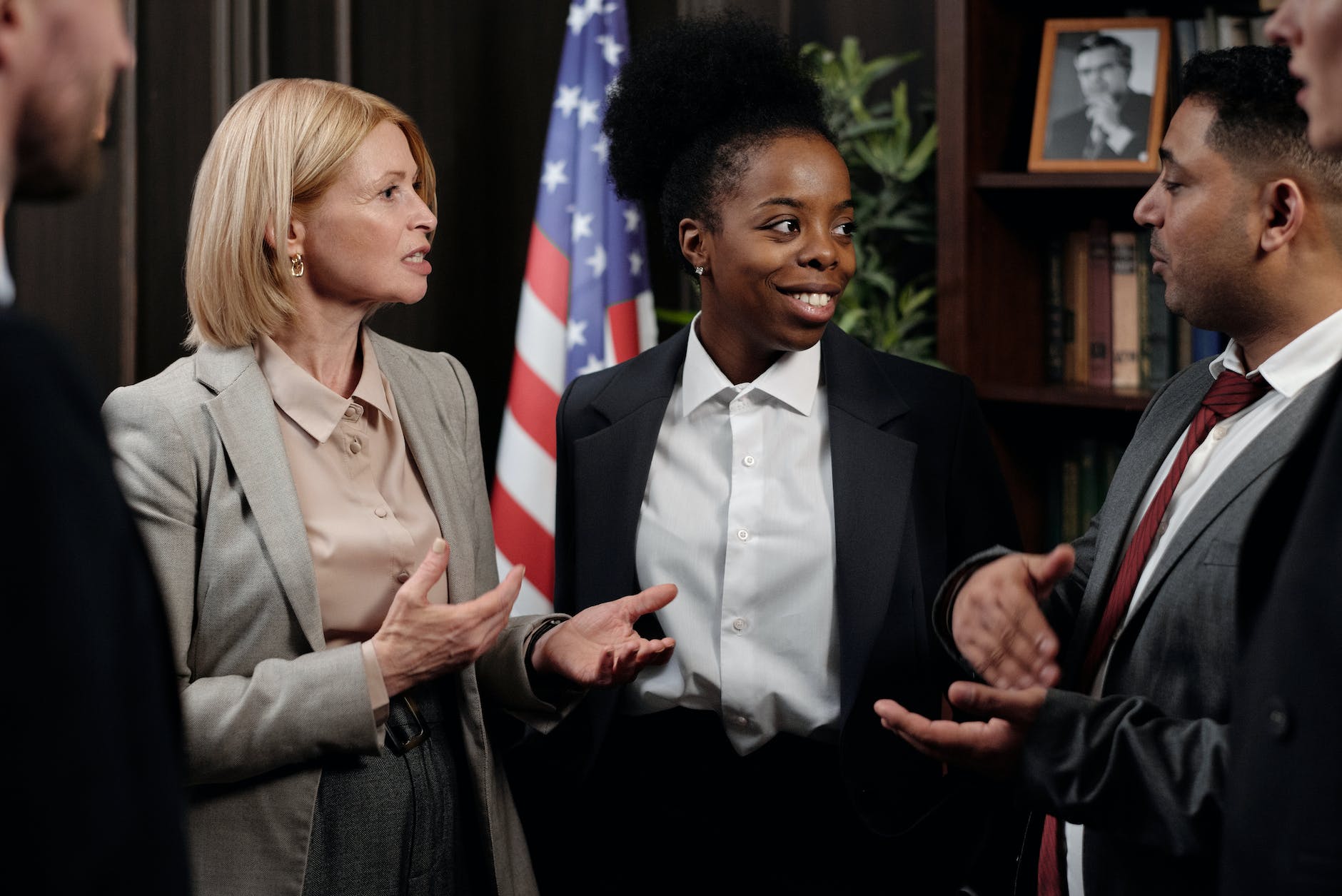
Democracy is built on a government by the people. When groups of people and their varied views are not welcomed, then democracy is at risk as it is no longer government by the people, but by just some of the people. It is at risk of becoming authoritarian. While we, as people, have never unanimously agreed on issues facing our country, we have as Americans created the greatest country on earth through embracing the concept of democracy and the collaboration and civility it requires.
We must ensure that all our children are critical thinkers and then trust them to judge for themselves all the varied information and ideas in the body of knowledge. We must ensure that in the process of education, our children learn to collaborate and engage in civil discourse with diverse peoples. We must model for our children how democracy works. Then we can trust that our children, who have all been educated to high levels, will cling to the democracy that built our country and continue to preserve that democracy in the greatest country on earth.
This blog is written by Dr. GwenCarol Holmes, a long-time educator and passionate advocate for all students mastering rigorous standards.
For other thoughts on how our schools are critical in the preservation of our democracy see:
Public school is the place to teach the contention of democracy, not censor it