There are continuing efforts in our country to whitewash history. Many of the early people to record America’s history were white men and therefore had the viewpoint of white men of their time. This is not to say that all the perceptions of white men are inaccurate. It is merely to say that other viewpoints and experiences were left out.
The current administration issued Executive Order 14253 which calls for a current review of national and/or federal museums, historical sites, and lands for any language that they believe degrades America. This order has resulted in the removal of exhibits and narratives that mention slavery, various native tribes, climate change, the role of women, and so forth. (Center for American Progress, 2025, Oct 23) It has limited the scope of history and reality being presented.
This is not the first time in our country’s history that there has been an effort to rewrite history from a singular point of view. In 2023 the Lawyers Defending American Democracy warned of multiple laws being passed in multiple states that restricted teachers from using materials that taught about race, racism, and gender identity. Professor Chara Bohan and her colleagues analyzed history books written in the South after the Civil War. They found narratives of the Lost Cause which projected slaves as happy and content and more frequent mentions of Jefferson Davis than those to Abraham Lincoln predominated textbooks of this era.
Less than 20 years ago, I was the Chief Academic Officer in a Virginia school district. When reviewing state documents related to curriculum and instruction, I found references to the War of Northern Aggression and the Great Resistance. Those of us not educated in the South had to think for a moment to realize these were references to the Civil War and the Civil Rights Movement.
Realizing that what one group of people might call a movement the Great Resistance, with a viewpoint of pride in their efforts to resist integration of public places, and is called by other groups the Civil Rights Movement, taking pride in people that were fighting to have equal rights as other groups of people in education, housing, voting, and other provisions from the government. Realizing these differences and then taking the time to question why the difference in perception and which viewpoints have the best chance of brining greater strength and prosperity to our country is what education should be all about.
Knowing about these different viewpoints and being able to understand different ways of thinking and then drawing conclusions and presenting evidence on which viewpoints are most likely to make our country even greater is what learning should be about. Education is not just being fed a bunch of factoids to memorize. It is about developing those higher order thinking skills of recognizing multiple viewpoints and being able to analysis, synthesis, and determining the best way forward for everyone.
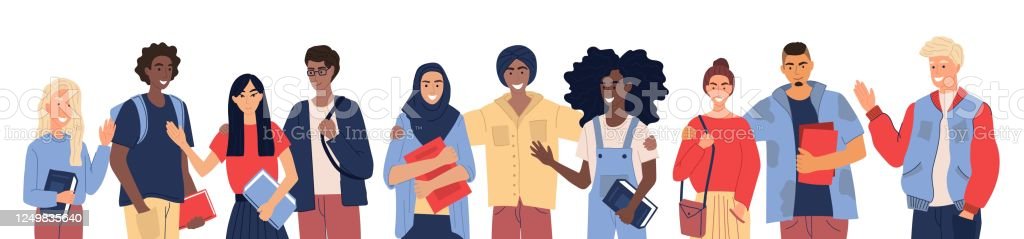
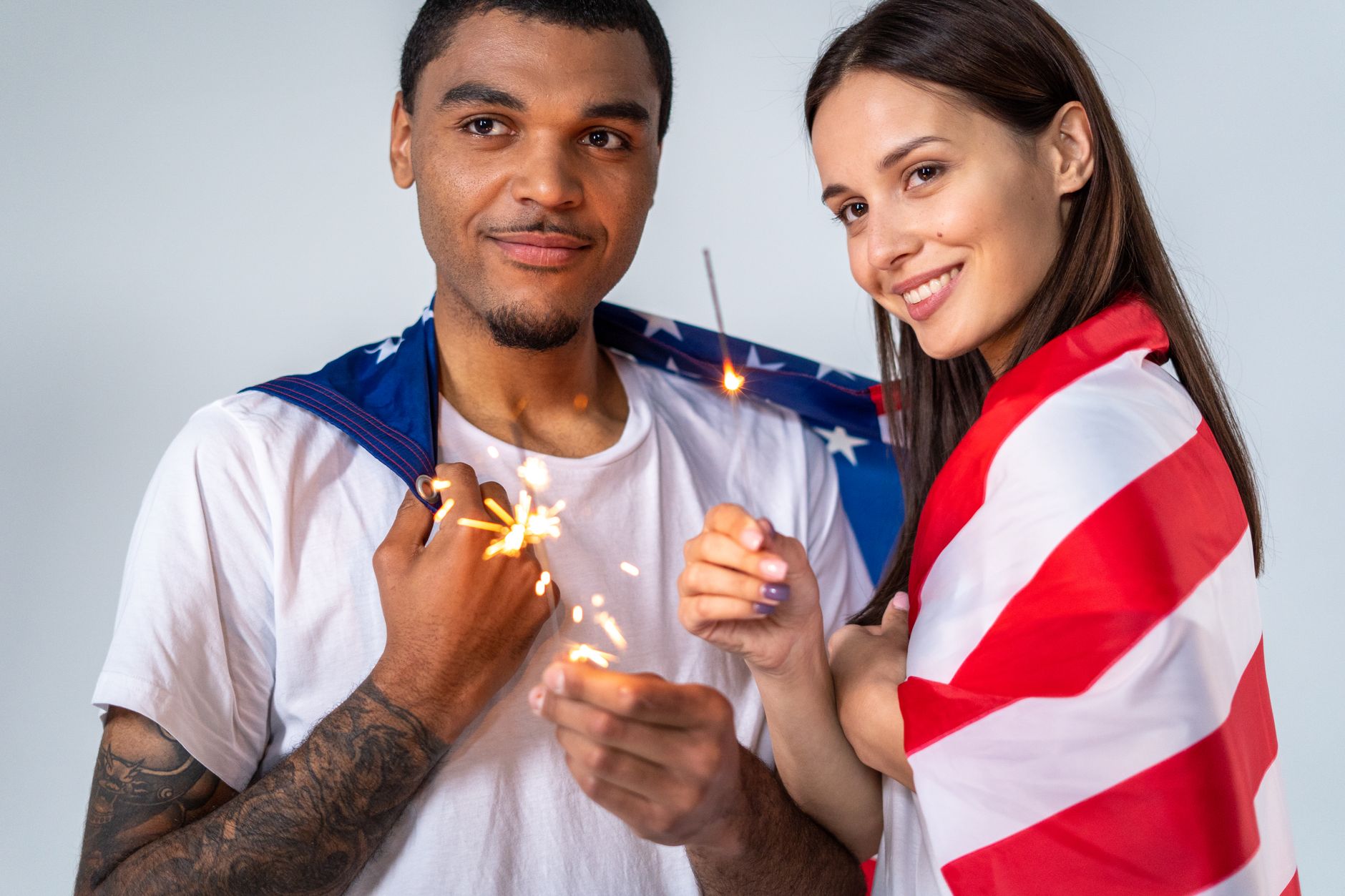
So, what do your students see while learning in your classroom? Regardless of whether the subject is history, or the sciences, or mathematics, or the arts, or literature, or any other of the subject areas taught in our schools, do your students see people and viewpoints that represent the vast array of peoples and thinking within our country? Do they see groups that they belong to and groups that they have less familiarity with?
If they do not see a wide range of peoples and viewpoints, their education is substandard. They are not learning to see and value of multiple viewpoints. They are not learning to analyze, synthesize, and make choices based on the good of all people so that our country and the human race continue to flourish. They are receiving a very poor education.
If students can see themselves as a part of the multiple groups of people that make our country great, they see their own value, worth, and ability to contribute to an even better country. If they can see and critique various viewpoints, they are learning critical thinking and problem-solving skills. We need our students, our future, to be engaged in their learning and able to think at the highest levels if we want our country to continue to flourish. Students educated in this manner are being given equity in education (Armstrong, 2021; Sleeter, 2024). Our country will be even greater for it.
References:
Armstrong, A. L. (2021). The representation of social groups in U.S. educational materials and why it matters: A research overview. New America.
Sleeter, C. E. (2024). Critical multicultural education: Theory and practice. Chapter 4, Teachers College Press.
This blog is written by Dr. GwenCarol Holmes, a long-time educator and passionate advocate for all students mastering rigorous standards.