Equity in education is doing whatever it takes to ensure all students master at a minimum the state standards in literacy, mathematics and other content areas. When a disaster strikes, we must rush in and provide whatever it takes to ensure our children’s education continues on track. We learned from COVID what happens when their education is disrupted.
When the COVID Pandemic hit in 2020, great swaths of schools across our country moved to conducting classes online. Educators spent weeks scrambling to get students online. Overnight teachers were recrafting lessons to be presented online and trying to entice students to engage in learning at a distance.
However, as heroic as these actions where, it was not enough. Just because the school had helped the students connect, it didn’t mean students were able to participate. In families with multiple children in school and limited connectivity, students had to take turns on who got to connect with their class and/or their lessons. The trauma of isolation and many parents now out of work also impacted students.
In 2022, when schools returned to in person attendance and learning, standardized assessments resumed as well. It confirmed how inadequate remote learning had been and how far behind our students had fallen. This was especially true for marginalized students: students living in poverty, and/or with language barriers, and/or with disabilities, and/or students with limited adult support at home for their learning. State test scores show that these populations’ learning suffered the most during the COVID pandemic.
While COVID still exists, we have learned how to live with it for the most part. However, disasters that significantly interrupt children’s education have not retreated and students across the country are still facing huge disruptions in their learning. Our children pay a huge price with their futures when disasters strike.
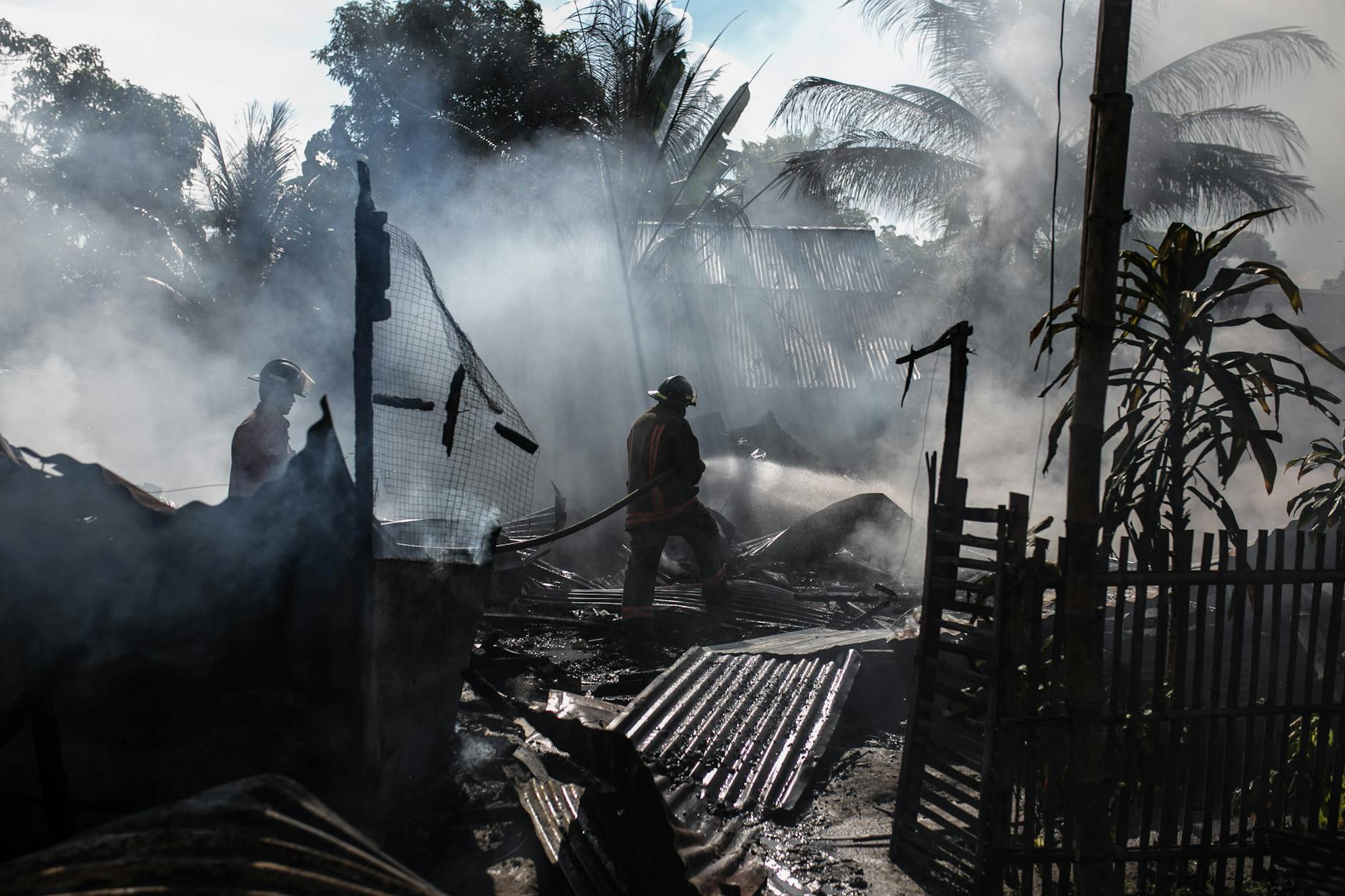
The 2024-25 school year is just now coming to a midpoint; and we have already had incredible disasters interrupting children’s learning: Hurricane Helene, the massive LA fires, along with numerous tornadoes and wildfires across multiple states. FEMA, the Red Cross, Salvation Army and an army of additional organizations provide support to individuals and families in these disasters helping them with housing, food, and shelter in the immediate aftermath. Mental health providers, emergency workers, and linemen from other jurisdictions also often flood in to be a part of the disaster response.
Governmental agencies and charitable organizations rush in with funds to help. Communities across the country hold fund raisers to support the work in these areas provided by the Red Cross and other organizations. We must have this same attitude of urgency towards restoring education of our children after disaster strikes.
While local districts and educators work tirelessly to establish some semblance of education for the children, they are often doing so without additional support while also finding their own lives completely upside down from the disaster. Many affluent parents move to new locations and quickly enroll their children in schools in these new neighborhoods.
So, what about the children whose parents cannot just pick them up and move them when disaster strikes? The children with the greatest educational needs are often the last ones able to resume their education. Their school buildings are often gone and their teachers are displaced as well. Their parents’ limited resources do not allow them to immediately relocate the family and get students back to some state of normalcy providing mental health supports and continuing their education.
As a country, do we recognize that these children will now need additional support to keep their education on track? They will need mental health support in addition to excellent instruction. They will need transportation from wherever they are temporarily staying to where school is being conducted.
Nurturing and safe facilities must be found in which to conduct school. Educators need additional support as supplies, materials, and equipment they depended on to support instruction are gone and need to be quickly replaced. We need to provide additional educators and health professionals that can work beside the local educators to provide additional support to quickly return students to a safe and thriving learning environment.
We need to have the mindset that when disasters strike and we rush in to help with shelter, food, transportation, medical care, getting duplicates of critical documents, and immediately reestablishing education for the children. A sense of normalcy and learning with their peers after a disaster is critical to the long-term success of our children. Our children must not lose months of education like they did during COVID. We know such a disruption can set them back years. Our children are our future. An excellent education for all students must be among our highest priorities.
This blog is written by Dr. GwenCarol Holmes, a long-time educator and passionate advocate for all students mastering rigorous standards.